

The cultural significance of gambling in modern society
Historical Context of Gambling
Gambling has a rich history that dates back thousands of years, with evidence found in ancient civilizations across the globe. From the earliest dice games in Mesopotamia to the elaborate betting systems of the Roman Empire, gambling has always played a role in human interaction. It served not only as a form of entertainment but also as a means of social bonding, reflecting the values and norms of the cultures it inhabited. Today, you can experience the thrill of these traditions through platforms like Penalty Shoot Out, where players engage in exciting challenges.

Throughout history, gambling has also faced periods of scrutiny and regulation. In many societies, it has been both celebrated and condemned, often fluctuating between being a legitimate pastime and a vice. This duality has shaped its role in contemporary culture, where attitudes toward gambling are increasingly influenced by legal frameworks, economic factors, and social acceptance.
Gambling and Modern Entertainment
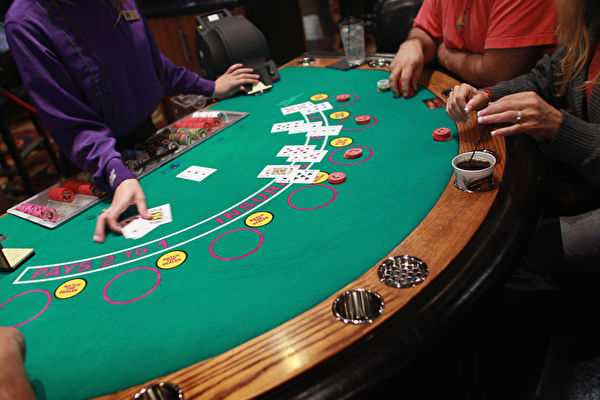
In modern society, gambling has evolved into a multifaceted industry that intertwines with entertainment. From casinos to online platforms, the gaming experience has become more accessible and varied, appealing to a broader audience. Many forms of entertainment, such as sports betting and poker, have become mainstream activities, often showcased in television shows and films, further legitimizing gambling as a social activity.
This integration of gambling into popular culture emphasizes its entertainment value. It draws in millions who seek the thrill of chance while enjoying social interactions. As a result, gambling is not merely about winning or losing; it becomes an experience that promotes camaraderie, excitement, and sometimes, intense competition.
Economic Impact of Gambling
The economic significance of gambling cannot be overstated. It generates substantial revenue for governments and creates numerous jobs in various sectors, from hospitality to technology. The proliferation of casinos and online betting platforms has led to increased tourism and local business growth in many regions, contributing to the overall economic landscape.
Moreover, the taxation of gambling revenues often funds public services and infrastructure projects, demonstrating how gambling can positively influence society. However, this economic boost comes with challenges, such as addiction and financial hardship for some individuals, prompting ongoing discussions about responsible gambling practices and regulatory measures.
Social Implications and Responsible Gambling
While gambling can foster social connections, it also carries risks that warrant serious attention. The potential for addiction and its detrimental effects on individuals and families are significant concerns. Understanding the psychological aspects of gambling behavior is crucial for fostering a culture of responsibility.
Initiatives promoting responsible gambling are gaining traction, aiming to educate players about risks and provide support for those in need. By focusing on awareness and prevention, society can mitigate the negative impacts of gambling while still enjoying its cultural significance as a form of entertainment.
Explore the Exciting World of Gambling
For those intrigued by the cultural significance of gambling, numerous resources are available to deepen your understanding and enhance your experience. Engaging with platforms that offer a variety of games, such as casino games and sports betting, can provide insights into this multifaceted industry.
Whether you are a novice or a seasoned player, exploring different facets of gambling can be both educational and entertaining. Embrace the excitement responsibly, and discover how this age-old practice continues to shape modern society.